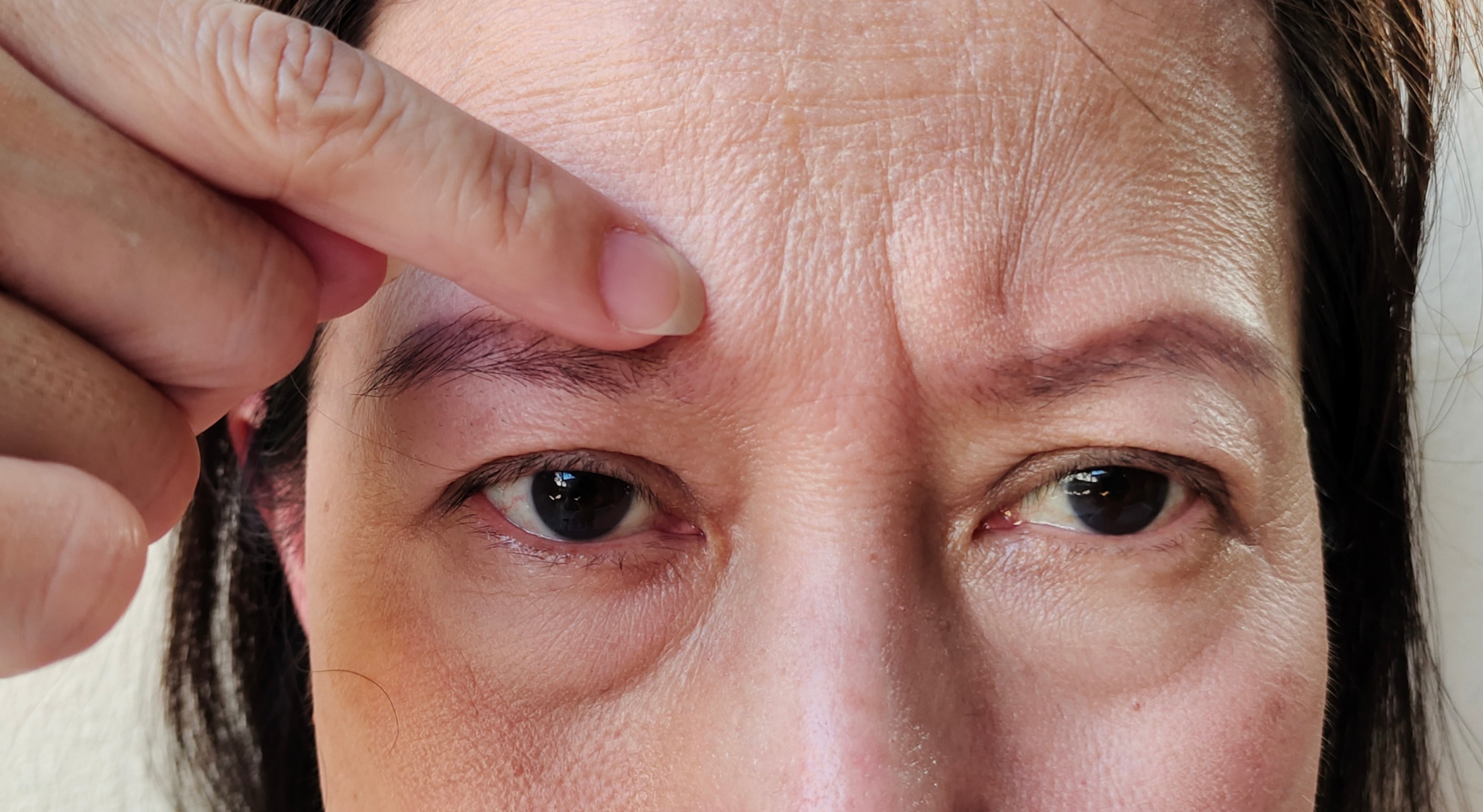
It is one of the most common questions patients ask before their first Botox appointment, and it is a great one. Understanding Botox units helps you walk into your consultation with realistic expectations and a clearer sense of what the treatment involves.
Understanding How Botox Works
Botox is the brand name for botulinum toxin type A, a purified protein derived from the bacterium Clostridium botulinum. When injected in small, controlled amounts into a targeted muscle, it temporarily blocks the nerve signals that tell that muscle to contract. Without those signals, the muscle relaxes, which smooths the overlying skin and reduces the appearance of dynamic wrinkles, the kind caused by repeated facial expressions like squinting, frowning, and smiling.
Botox does not affect sensation or permanently alter the muscle. It simply interrupts the communication between the nerve and the muscle for a period of time, typically three to four months, after which the nerve signals gradually return and the muscle resumes normal movement.
This is an important distinction from dermal fillers, which add physical volume to the skin. Botox works entirely through muscle relaxation, which is why it is most effective on expression-related lines rather than static lines that are present even at rest.
What Is a Botox Unit?
A unit is the standardized biological measurement used to quantify the activity of botulinum toxin. It reflects the potency of the product rather than a physical volume like a milliliter or syringe.
Different brands of botulinum toxin, including Botox, Dysport, and Xeomin, use different unit scales, so units are not interchangeable across brands. Your provider will always specify which product is being used and dose accordingly. At Bloom we offer both Botox and Dysport so your provider can recommend the product best suited to your treatment goals.
General Unit Guidelines by Treatment Area
While every patient is different, there are widely accepted ranges that experienced providers use as a starting point.
Forehead lines typically require ten to thirty units depending on the size of the forehead and the strength of the frontalis muscle. Under-treating this area can leave it looking heavy, so your provider will also assess how the forehead interacts with the brow.
The glabellar complex, which includes the eleven lines between the brows, is one of the most commonly treated areas and typically requires twenty to twenty-five units. This area tends to have strong muscles and often needs adequate dosing to achieve smooth results.
Crow’s feet at the outer corners of the eyes typically require ten to fifteen units per side, for a total of twenty to thirty units. The orbicularis oculi muscle in this area is thinner, so it tends to respond well to lower doses.
The brow lift, achieved by targeting specific muscles just below the brow, typically uses two to four units per side and can create a subtle but noticeable lift to the outer brow.
Bunny lines, which are the diagonal creases that appear on the nose when smiling or scrunching, typically require five to ten units.
The lip flip, which relaxes the upper lip to create a slightly fuller appearance without filler, typically uses four to six units placed along the upper lip border.
Chin dimpling caused by an overactive mentalis muscle typically requires six to ten units to smooth the pebbly texture.
Neck bands, also called platysmal bands, typically require twenty to forty units depending on the prominence of the bands and the desired degree of relaxation.
What Affects How Many Units You Need?
Several factors influence your personal unit count beyond just the treatment area.
Muscle mass and strength play a significant role. Patients with stronger or larger muscles generally require more units to achieve the same effect as someone with smaller muscles. Men, for example, often require higher doses than women in the same treatment areas due to greater muscle mass.
Metabolism is another factor. Some patients metabolize Botox more quickly than others, which can affect both the dosing needed and how long results last.
Your aesthetic goals also matter. Patients who want a completely smooth result will require more units than those who prefer a subtle, natural result with some movement preserved.
First-time patients are often dosed conservatively and then adjusted at a two-week follow-up if needed. This approach allows your provider to assess your response to the product before committing to a higher dose.
How Long Do Results Last?
Most patients see results from Botox last three to four months. With consistent treatment over time, some patients find their results extend slightly longer because the treated muscles gradually become trained to stay relaxed. Regular appointments are key to maintaining your results.
What to Expect at Your Bloom Appointment
Your provider will assess your facial anatomy, discuss your goals, and recommend a unit count tailored to you. The injections themselves take only a few minutes and most patients return to their normal activities immediately. Results begin to appear within three to five days and are fully visible within two weeks, which is also when touch-up adjustments can be made if needed.
Is there a difference between Botox and Dysport units?
Yes. Botox and Dysport are both botulinum toxin type A products but they use different unit scales. Dysport units are not equivalent to Botox units, and your provider will dose each product according to its own guidelines. Both products are effective and the choice between them often comes down to the treatment area and your provider’s clinical preference.
Can I request a specific number of units?
You can absolutely discuss unit counts with your provider, and many patients come in with a number in mind based on their own research. However, your provider’s recommendation based on your anatomy and goals should always guide the final decision. Under-dosing can lead to uneven or short-lived results while over-dosing can affect natural expression.
What happens if I do not get enough units?
If you are under-dosed, you may notice that your results are uneven, that movement returns sooner than expected, or that certain lines are not fully softened.
How often should I get Botox?
Most patients return every three to four months to maintain their results. With consistent treatment over time, some patients find they can extend the time between appointments slightly as the treated muscles become conditioned to staying relaxed.